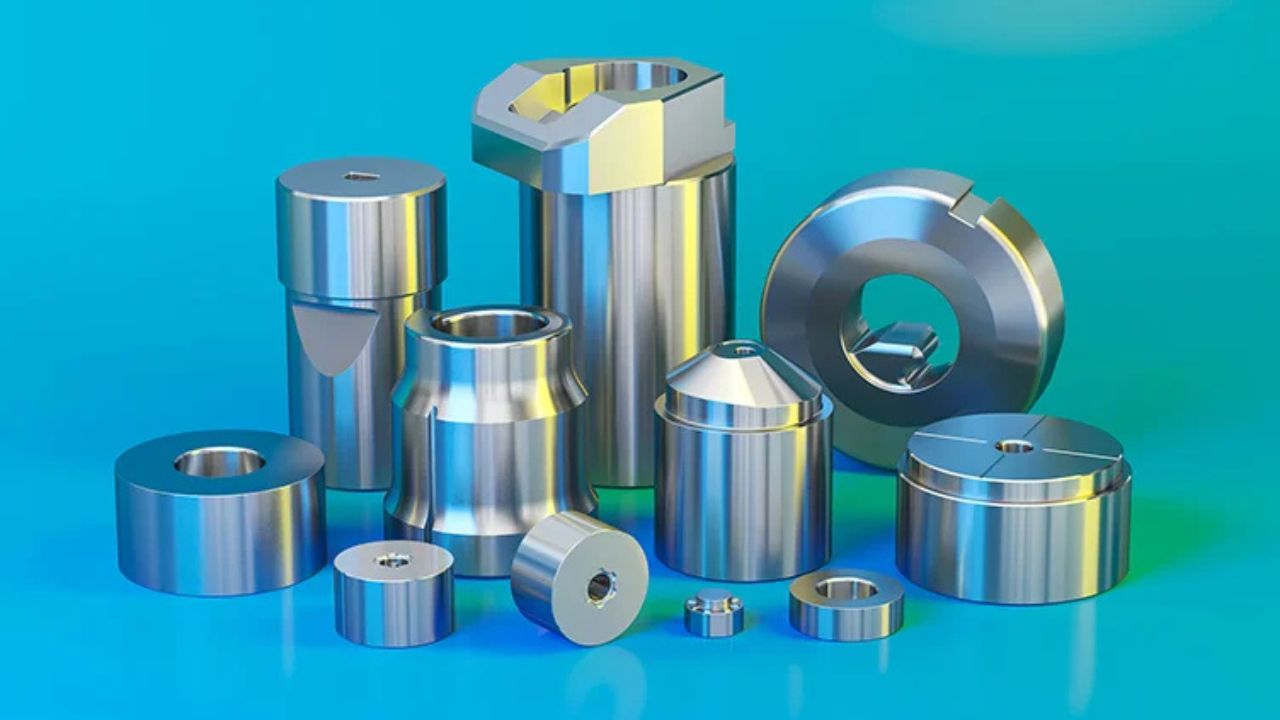
Manufacturing precision Molds requires materials that are able to withstand severe conditions and, at the same time, have high dimensional accuracy. Tungsten carbide is one of the materials in the market that has become a favorite material among mold makers across the globe. The combination of hardness, wear resistance, and stability uniquely found in it makes it suitable for high-performance applications, including stamping dies and multi-layered micro mold components. This paper will delve into the factors as to why tungsten punch is preferred in fine-tuning the manufacture of moulds and its superiority over other materials in terms of performance.
Extraordinary Strength and Wear Resistance
The high hardness of tungsten carbide is one of the main reasons why it is more suitable for precision mold production. Tungsten carbide is a cemented carbide, in which particles of hard carbide are cemented together with a metallic binder, most commonly cobalt. This design offers greater deformation and wear resistance even in high-pressure environments.
The tools and punches used in the manufacture of the mold are prone to repeated friction and impact in the manufacturing process. Less hard materials will wear out easily, resulting in dimensional inaccuracy and repeated replacements. Tungsten carbide does not require a lot of maintenance as it remains in shape and is not fractured even after a long time, making the process of manufacturing more efficient.
High-Dimensional Stability
Very fine tolerances of only a few microns are needed in precision molds. Tungsten carbide is very much dimensionally stable, i.e., it does not change its shape due to mechanical strain and temperature variations. Relative to the other soft metals like steel, tungsten carbide undergoes very little expansion or contraction when in operation, and mold components are therefore guaranteed to give reproducible and precise results.
The stability is also a crucial factor in such industries as the automotive, electronics, and medical device manufacturing, where even the smallest deviation may result in the quality of the final product. With tungsten carbide, manufacturers are able to be precise with their cuts, punches, and impressions, and remain within stringent industrial specifications.
Versatility in Machining
Tungsten carbide is strong and stable, as well as very versatile with regard to machining. The tungsten carbide is fashioned into small mold components of complex geometry using the new manufacturing processes like electrical discharge machining (EDM), precision grinding, and CNC milling.
As an illustration, high accuracy can be achieved in custom punches and dies to suit the particular needs of the various production lines. Electronics and aerospace Micro punches are capable of being produced to within a range of ±0.001 mm, proving the material to be suitable for high precision work.
Resistance to Corrosion and Heat
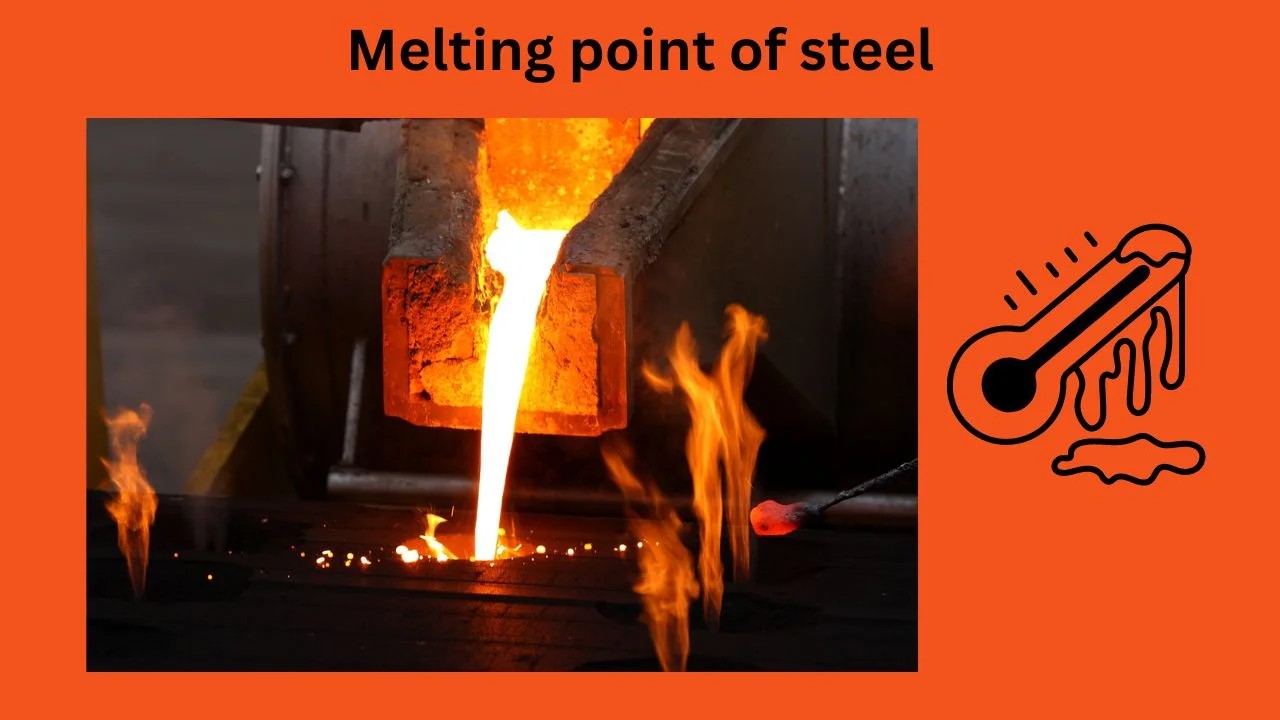
In precision mold production, the tools are subjected to high speeds, and heat is produced in large quantities. The thermal conductivity of tungsten carbide and its melting point are so great that it is not easily deformed by heat. Tungsten carbide also has the advantage of not losing its mechanical properties, as explained by exposure to high temperatures, as opposed to conventional steel, which can.
There is also a high level of resistance of tungsten carbide to corrosion and chemical wear. Tungsten carbide components can be used in conditions involving exposure to lubricants, coolants, and reactive materials and retain their durability and surface integrity. Such resistance prolongs the life span of molds and decreases downtime as a result of replacing parts.
Cost Efficiency Over Time
Although tungsten carbide could be more expensive than standard steel or other alloys in the short run, it is cost-effective in the long run. Its life span, less maintenance needs, and wear make it have lower production costs over time. Tungsten carbide makes tungsten a good choice to use when it comes to precision mold production, as companies can produce more without interruption.
Usage in Modern Industries
Tungsten carbide finds its way into different fields of industry because of its outstanding qualities. It is used in stamping of dies and mold parts in automotive manufacturing to come up with durable and precise parts. Micro punches created with tungsten carbide are applied in the electronics industry to produce connectors and circuit components. Tungsten carbide molds are also used in the medical and aerospace industries, where precision parts are needed, which are highly accurate and reliable.
Conclusion
The hardness, wear resistance, dimensional stability, heat resistance, and machinability of tungsten carbide are incomparable to any other material, and thus it is the best choice to be used as a material in making precision molds. Its capability to be accurate in strenuous situations enables manufacturers to make quality parts in an effective and stable manner. Although tungsten carbide is more expensive than graphite and iron tools, the extra expenditure is enjoyed in the long run through decreased maintenance, increased life span of the tool, and better performance.