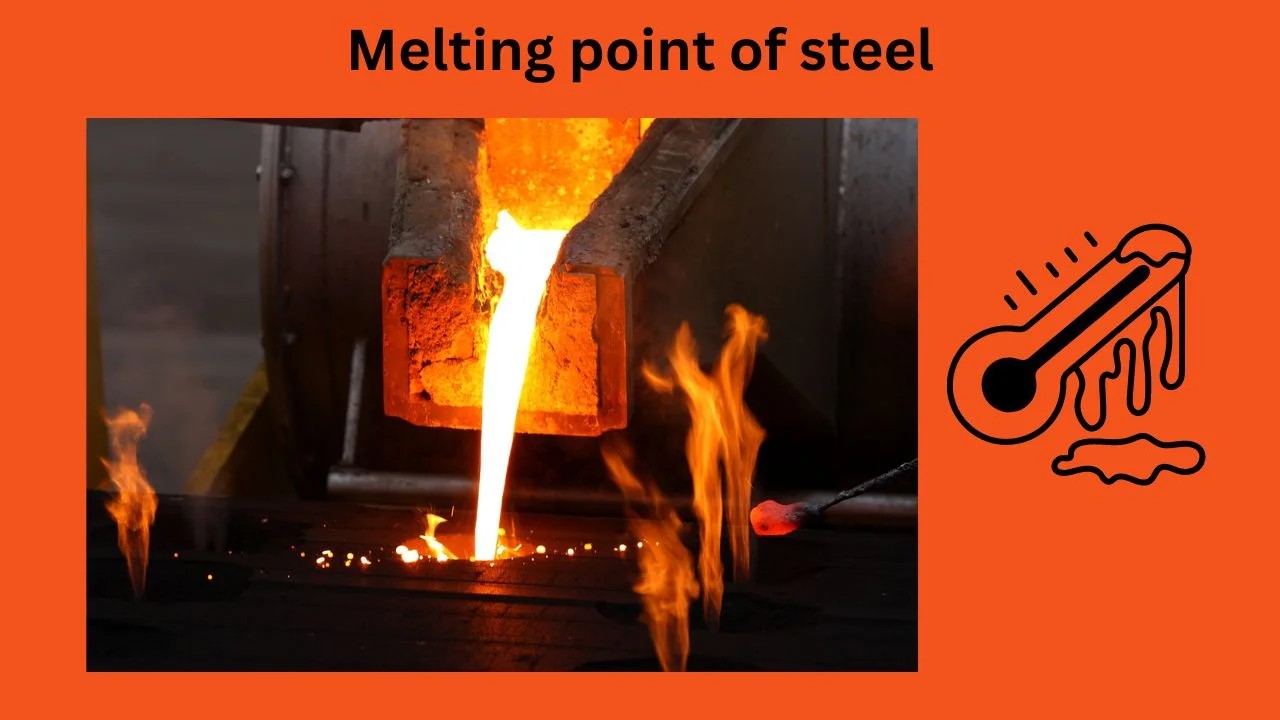
Steel finds a wide application in manufacturing in the form of buildings, machines, and tools, as well as vehicles. The question of what does steel melt at is a wonder to many. Steel is not pure and is an alloy of iron, carbon, chromium, nickel, etc., so it has a variable melting point. Steel normally melts at 2500-2800 degrees Fahrenheit (1370-1540 degrees Celsius). The scope of this knowledge is applicable to the process of welding, casting, and cutting, where quality and safety depend on the heat control.
Steel Melting Temperature Basics
It is easier to conceptualize the reasons why steel is not melted at a single point but rather over a range before delving into manufacturing. However, pure iron melts at approximately 2,800 degrees Fahrenheit, although the temperature is reduced slightly in the presence of carbon and other elements when they change the arrangement of the atoms. Mild carbon steel melts at higher temperatures, whereas stainless and alloy steel melt at lower temperatures. These differences are small, but they affect the flow of steel, joining, and cooling of metals, and manufacturers should take them into account when selecting equipment and determining temperature levels.
Steel Melting Behavior in Welding
Welding is the process of joining metal pieces together by melting the edges together. The steel does not necessarily have to melt down, but rather a small area where the two come together is heated by the welders. Surfaces are often melted down to temperatures of 2,500 degrees Fahrenheit. The liquid metal is solidified into a powerful joint as it cools down. The various welding processes produce heat in different ways: electric arc welding involves the use of an excessive amount of electric current to produce an arc that melts metal, and gas welding involves the combustion of fuel gases to create a flame. Heat is also important, and it is important not to have too much, as it burns thin metal, or too little, as that will weaken the joint.
Steel Melting Behavior in Casting
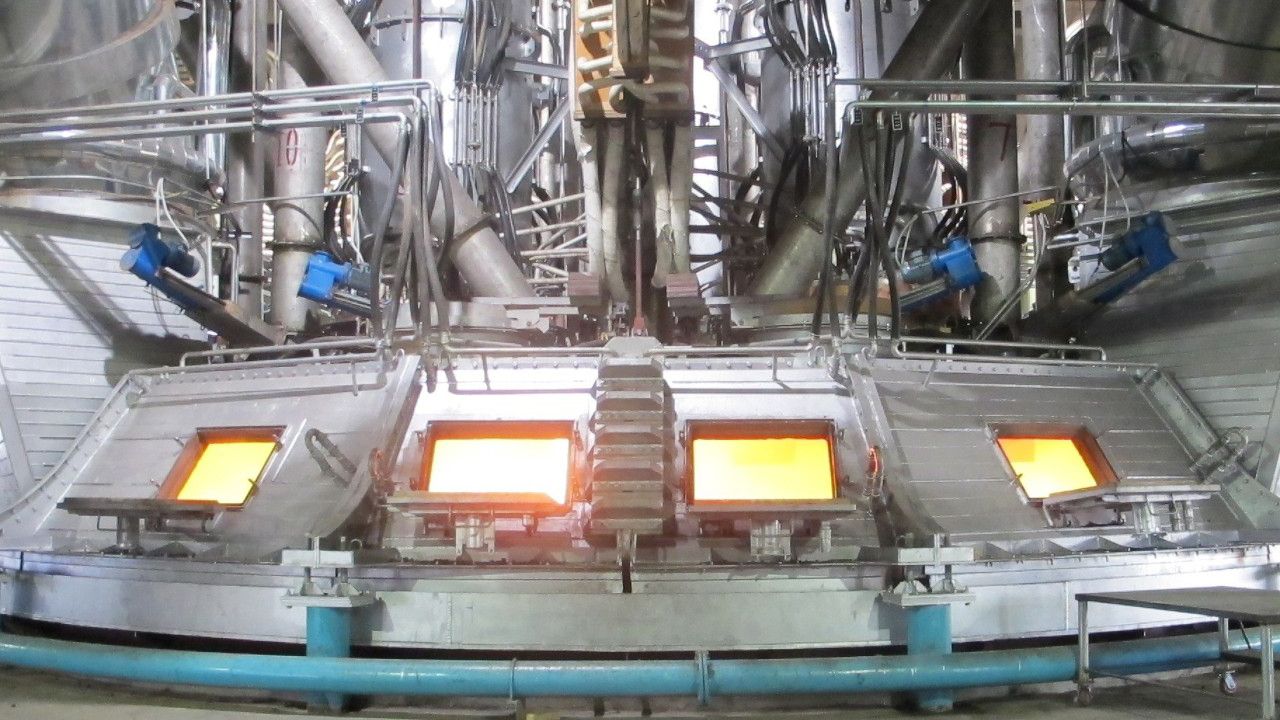
The casting is a process of heating metal until it turns into a complete liquid and then pouring it into a mold. In the case of steel casting, the furnaces are heated to a greater temperature than the melting range, usually 2,900 degrees Fahrenheit or higher, to make the metal flow freely. Once melted, the steel is cast as per the end product. The metal hardens, and the metal is in the form of the mold cavity. This is applied to large or complicated components that could be hard to machine out of solid blocks. These are engine parts, parts of heavy machines, and structural parts. Caution should also be exercised when cooling the material because the speed might cause internal forces in the metal. The furnace heat, mold material, and cooling time are then regulated in foundries to ensure that the section of a steel is left with the correct structure.
Steel Melting Behavior in Cutting Processes
Steel cutting is also a process that is heat-related, except that it is typically desired to melt or cut only a little of the steel along a cutting line. The laser cutting technique is a cutting process that makes use of a very sharp laser beam of light, which produces high levels of heat and rapidly melts or vaporizes steel in a thin slice. The molten metal is blown off in a high-pressure jet of gas, and a clean edge is left. Plasma cutting applies a high-power plasma arc instead of a laser beam, which is highly energy and very hot, and it is applied in tempering of steel. Oxy-fuel or oxygen fuel is a blend of oxygen and fuel gas, which is typically used to heat steel until it burns and melts along the cut line. Each of the methods is based on the use of sufficient heat to get the metal melted without allowing the surrounding metal to melt away.
Conclusion
The melting temperature of steel usually ranges from 2,500 to 2,800 degrees Fahrenheit, although the exact temperature varies depending on the composition. The melting range is significant in the welding, casting, and cutting processes of various industries. Welders apply a lot of heat to fuse metal parts, foundries apply heat to melt metals altogether, and use cutting tools to apply concentrated heat to cut metal along specific lines. Knowledge of the behavior of steel in response to temperature enables manufacturers to manipulate these variables and come up with powerful, precise parts utilized in the production of daily products and industrial machines all over the globe.