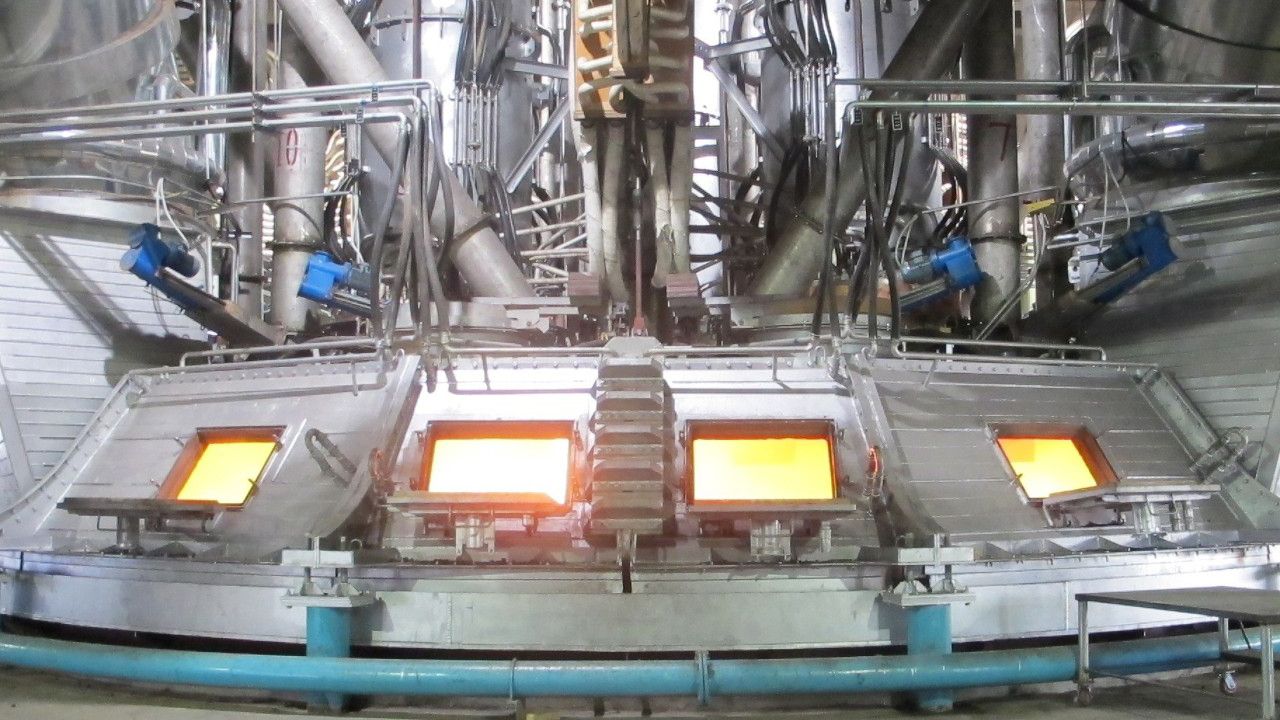
Submerged Arc Furnaces are complicated metallurgical systems that are used in high-temperature smelting of ferroalloys, silicon, calcium carbide, and other industrial substances. In JXEPC, many engineering, operational, and project-specific needs influence the pricing of a Submerged Arc Furnace (SAF). Every furnace will be tailored to fit the client's objectives in production, local infrastructure, and environmental demands. Consequently, reasoning about the key factors that determine pricing can assist customers in planning their investments more precisely and can allow them to choose a configuration that offers the most valuable results in the long term.
Furnace Capacity and Production Output
The size of the furnace is one of the greatest contributors to SAF pricing. JXEPC produces units with broad power and daily output that includes smaller furnaces that have small production, all the way to big, heavy, armed machines that can produce up to 200 tons per day. Bigger furnaces have higher demands for structural materials, heavy shell construction, larger transformers, and bigger cooling systems. The complexity and durability needs also increase with capacity, and once again, this increases total expenditure. Customers with high productivity requirements will be required to spend more on the initial investment in line with their output needs.
Choice Between AC and DC Technology
The other major parameter in pricing is the choice of an AC or DC Submerged Arc Furnace by a customer. The A.C. furnaces are more widely used and usually less expensive to purchase, thus lending themselves to most applications in ferroalloy. DC furnaces, however, demand more sophisticated electrode systems and rectifier technology at the cost of a higher initial price. Although this kind of increased investment, DC furnaces have the benefit of decreased electrode use and better process stability of given materials. JXEPC also analyzes the product to be implemented, the power infrastructure, and the priorities of the customers, and then suggests a technology to be used so that the system implemented gives the best performance at the least cost.
Automation and Control Level
In contemporary smelting processes, the role of automation is becoming significant. JXEPC furnaces may be fully automated using several levels of automation, such as HMI interfaces, remote monitoring, and PLC-based control. More automation will increase the uniformity, safety, and energy efficiency of the processes, yet it also needs advanced software, sophisticated sensors, and other engineering efforts. Customers who have a high level of demand for real-time data analysis, automatic control of electrodes, and integrated control of the entire plant have to invest more in automation. The investment is often justified by the long-term benefits of streamlined operation and a reduced number of human errors, despite the fact that the initial cost increases.
Environmental and Dust Collection Requirements
All regions have different environmental regulations, whereby the relevant authorities have stipulated the compliance fees that directly affect SAF pricing. JXEPC has a variety of dust and gas control solutions such as bag filter systems, electrostatic Precipitators, and gas recovery solutions. The system selection will be based on local emissions requirements, as well as the sustainability goals of the customer. The more sophisticated filtration systems are more expensive but offer greater capacities for removing particulate and lower environmental effects. These systems are a crucial component of the investment and not a nice addition to the smelting plant that runs in highly regulated markets.
Engineering Scope and EPC Service Requirements
In addition to the equipment, a good number of customers trust JXEPC to provide comprehensive EPC services that entail engineering design, fabrication, installation, commissioning, as well as training of operators. The larger the EPC, the higher the cost of the project. Elaborate EPC services guarantee flawless harmonization of transformers, structural base, power supply frameworks, and environmental apparatus. This method minimizes the risk of the project and hastens the start-up of the plant, but consumes vast engineering capacity and site coordination. Customers who will want a turnkey solution will pay a higher initial quote when compared to the customers who would buy standalone equipment, though the streamlined implementation can have long-term benefits.
Conclusion
Pricing of the Submerged Arc Furnace at JXEPC is determined by a range of factors, including the capacity, choice of technology, level of automation, environmental systems, design of refractory, as well as the total engineering services. A furnace is also tailored to fit the needs of a particular production, and every project is unique in terms of cost and makeup. Through such critical aspects, customers will have a more effective reason for the kind of investment they will make and a furnace solution that would provide them with the best performance aspect, permanence, and value over time in relation to their metallurgical processes.